If you’re asking, “what is vendor managed inventory (VMI)?” here’s the short answer: vendor-managed inventory is a collaborative model where the supplier takes on the day-to-day job of keeping the buyer’s inventory at agreed levels. Instead of the buyer raising purchase orders based on internal forecasts, the supplier uses shared data—sales, point-of-sale activity, and actual consumption—to replenish stock. The goal is simple and practical: fewer stockouts, lower carrying costs, and better service, built on transparent data and clear agreements.
Put another way, if you’ve wondered “what is vendor managed inventory” or “what is vendor managed inventory VMI,” it’s a way to remove guesswork from replenishment by giving the supplier the visibility and responsibility to keep product flowing to where it’s needed most.
VMI meaning in the supply chain
VMI shifts routine replenishment decisions from the buyer to the supplier. The supplier monitors inventory and demand signals and then creates and fulfils replenishment orders based on agreed rules and service levels. The buyer still sets objectives, consumes the inventory, and measures performance, but relies on the supplier’s planning expertise and end-to-end view of demand to keep stock healthy.
Core elements that make vendor managed inventory work:
- Shared, timely data such as on-hand balances, sales, and consumption
- Clear service level agreements and decision rights
- Target levels like min/max, reorder points, or days of supply
- Defined replenishment cadences and governance for exceptions
Key roles often include:
- Supplier: replenishment planning, order creation, production alignment
- Buyer: policy setting, demand insights, receiving and quality checks, performance oversight
- Logistics partners: transportation scheduling, delivery coordination, returns
- IT teams: secure data integration, master data management, analytics
Executive sponsors on both sides ensure alignment and remove roadblocks. Vendor managed inventory is common where availability is critical and demand is steady enough for continuous replenishment—retail, manufacturing components, MRO spares, automotive networks, aerospace consumables, healthcare supplies, and high-volume e-commerce lines are typical examples.
How does vendor managed inventory work?
It starts with data. The buyer shares demand signals like sales orders, POS transactions, point-of-use consumption, on-hand balances, open orders, returns, and forecast projections. The supplier uses that data—plus agreed lead times, service levels, and reorder policies—to determine when and how much to ship.
The process follows a repeatable loop:
- Review demand and inventory data for each item and location
- Generate replenishment recommendations, then confirm or auto-issue orders
- Align delivery schedules with production and transportation capacity
- Send advanced shipping notices to streamline receiving
- Replenish to the point of use—shelves, line-side bins, warehouses, or hubs
- Repeat based on actual movement and consumption
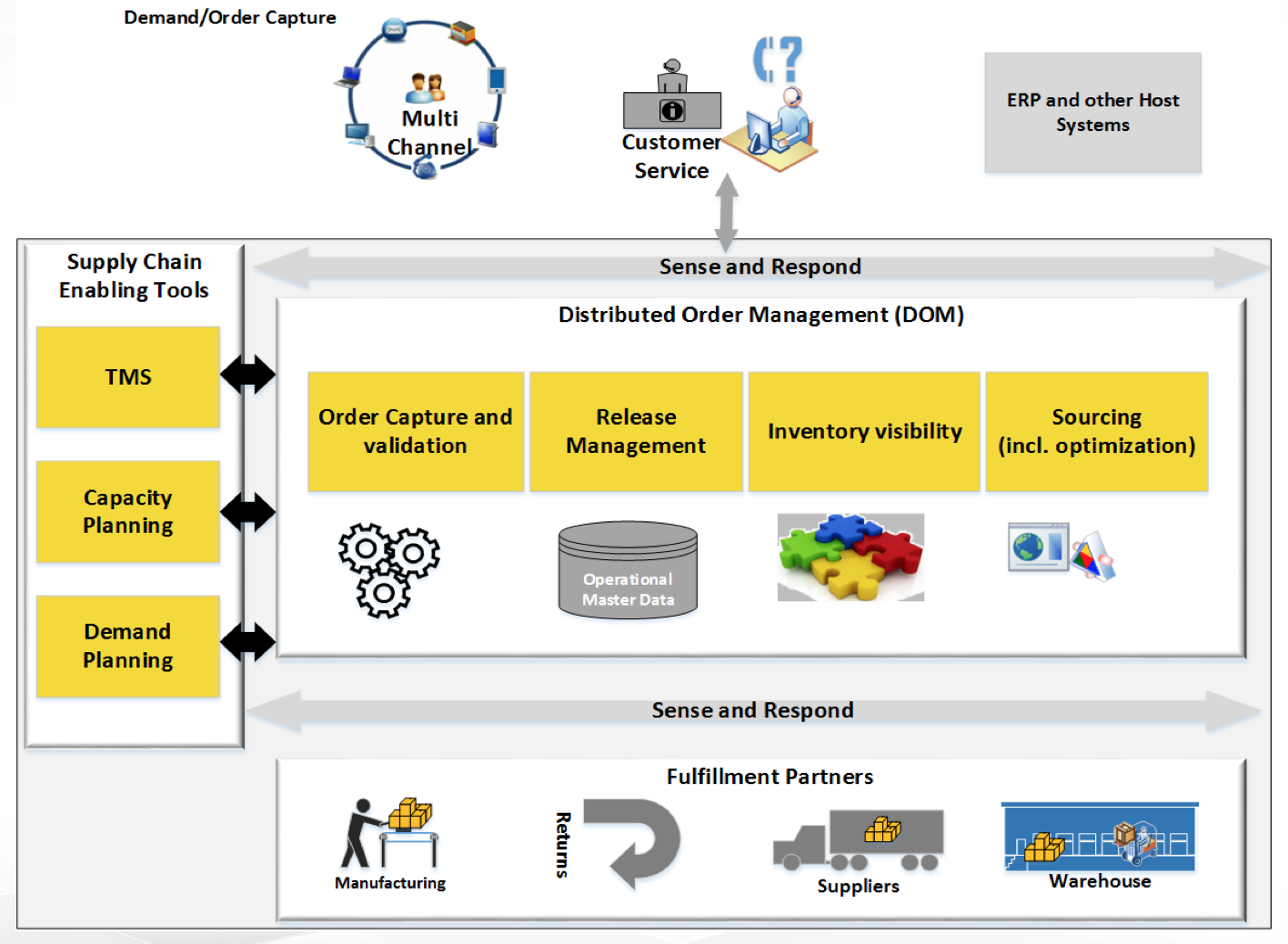
Technology keeps this scalable. Integrations via EDI, APIs, or secure file feeds connect ERP, warehouse management, POS, and planning systems. Dashboards show on-hand, in-transit, and expected demand in real time.
Exception alerts call out potential stockouts, overstocks, or data issues. Analytics help the supplier sense demand changes quickly and tune replenishment. Role-based access and audit trails preserve control and compliance.
Benefits of vendor managed inventory
Vendor managed inventory delivers practical benefits you can measure. By responding to real demand signals, teams reduce stockouts and backorders, trim safety stock, and improve working capital. Inventory turns typically rise as goods flow more consistently, and carrying costs fall when supply better matches consumption.
It also streamlines operations. Buyers spend less time placing routine orders or chasing confirmations. Suppliers can align production and logistics to real needs, cutting lead time and variability. Receiving improves with predictable deliveries and accurate documentation, like advanced shipping notices.
There’s a relationship benefit too. Shared KPIs, transparent data, and co-owned improvement plans build trust. Suppliers get a window into downstream demand for smoother production planning. Buyers get reliable availability and fewer firefights.
- Higher availability and fewer stockouts
- Reduced safety stock and carrying costs
- Improved inventory turns and stronger working capital
- Less manual ordering and administrative overhead
- Better alignment of production and logistics with demand
- Clearer visibility and faster issue resolution
If you’re still weighing “what is vendor managed inventory (VMI)?” against your goals, these gains often make a compelling case to pilot and prove value quickly.
Potential risks and challenges
Vendor-managed inventory only performs as well as the data behind it. Poor data quality, delayed feeds, or mismatched master data can lead to stockouts or overstock. Strong validation, synchronised item/location masters, and clear cut-offs for daily feeds help mitigate these risks.
Contracts and governance matter. Service levels should define availability targets, replenishment windows, and escalation paths. Agreements need to clarify inventory ownership, liability for shrinkage or obsolescence, and how disputes are handled. Regular joint reviews keep targets aligned as conditions change.
Operational hurdles include forecast shifts, seasonality, promotions, and new product introductions. Overreliance on history can inflate stock when demand softens. Good change management is essential: train teams, document processes, define rules for adding or retiring items, and plan for promotions to avoid surprises.
VMI versus other inventory management approaches
Traditional buyer-managed replenishment keeps ordering with the buyer. It can work when demand is volatile or suppliers lack visibility, but it often requires higher safety stock and more manual work.
Consignment changes who owns inventory. In consignment, the supplier owns stock until it’s consumed by the buyer. You can combine consignment with VMI—vendor-managed consignment—where the supplier both manages replenishment and retains ownership. VMI alone does not require consignment; the buyer can keep ownership while the supplier manages quantities.
Vendor managed inventory fits best when demand is fairly stable, service expectations are high, and both parties can share timely data. It shines for high-volume items, repetitive manufacturing components, and retail categories where shelf availability drives revenue. Alternatives may be
better for highly erratic demand, limited data sharing, or where suppliers don’t have the capability to manage replenishment.
Hybrid strategies can be very effective:
- Apply VMI to selected items or locations
- Use VMI for fast movers; keep slow or seasonal items buyer-managed
- Start with a pilot, then expand as processes mature and trust builds
If you’re comparing models and asking again “what is vendor managed inventory VMI and how does it differ,” this side-by-side perspective helps clarify where it fits best.
Getting started: implementation best practices and KPIs
Start VMI with a focused pilot. Choose items and locations with clear demand patterns and supportive stakeholders. Define governance—service levels, decision rights, escalation paths, and meeting cadence. Set up data foundations: item masters, locations, units of measure, calendars, and lead times. Align roles across supplier, buyer, logistics, and IT.
Pick integration methods that fit your landscape. EDI handles standard transactions, APIs support near real-time events, and secure file exchange can manage batch updates. Configure dashboards with exception alerts and run parallel tests to validate data accuracy before going live.
Measure what matters. Track fill rate, stockouts, inventory turns, service level attainment, on-time in-full, forecast accuracy, days of supply, and carrying cost. Monitor lead time and variability to understand responsiveness. Use root cause analysis on exceptions to drive continuous improvement.
Change management keeps the gains. Train teams on roles and workflows. Set a steady review cadence: weekly operations huddles, monthly performance reviews, and quarterly strategy sessions. Document lessons learned and scale vendor-managed inventory when the pilot shows stable processes and sustained KPI improvements.
| Phase | Key Activities | Success Measures |
| Pilot setup | Scope selection, data mapping, SLA definition, integration approach | Clean master data, tested feeds, clear decision rights |
| Parallel run | Validate forecasts, compare replenishment recommendations, tune thresholds | Accuracy within tolerance, few exceptions, stable cycle |
| Go live | Activate automated replenishment, monitor alerts, align logistics schedules | High fill rate, reduced stockouts, improved turns |
| Scale | Add categories and sites, adjust SLAs, continuous improvement | Consistent service, lower carrying cost, efficient throughput |
Bringing it all together
If you came here asking “what is vendor managed inventory (VMI)?,” the takeaway is straightforward. Vendor managed inventory is a practical, collaborative way to keep product available while lowering costs and effort. When both sides share timely data and hold each other to clear targets, vendor-managed inventory becomes a steady engine for availability, efficiency, and trust.
Whether you call it what is vendor managed inventory, what is vendor managed inventory VMI, vendor managed inventory, or vendor-managed inventory, the concept is the same: put data to work, align roles, and let replenishment run on facts, not guesswork.
FAQ
VMI focuses on who manages replenishment; consignment focuses on who owns the stock. In consignment, the supplier owns the inventory until the buyer consumes it. You can combine both, allowing the supplier to manage replenishment and retain ownership, or run vendor managed inventory without consignment, with the buyer retaining ownership.
Any operation with inventory can benefit, and the value increases with order volume, SKU diversity,
compliance requirements, or service expectations. Smaller operations often start with cloud WMS for quick value, while larger or multi-site operations adopt advanced capabilities and deeper automation integration. Whether you’re asking what is WMS or what is warehouse management at your scale, the principles stay the same—right product, right place, right time.
Service levels are set together. The buyer defines performance targets like availability, while the supplier commits to replenishment windows and stock thresholds. These expectations are documented in SLAs and reviewed regularly.
Vendor-managed inventory can stabilize inbound flow with coordinated delivery schedules and accurate advanced shipping notices. That reduces variability and labor spikes in receiving and put-away. Better alignment of stock to consumption also improves space use and throughput.
Yes, with enhanced planning. Share promotional calendars, seasonality factors, and cut-in/cut-out rules. Use demand sensing and tighter exception thresholds to avoid overstock or stockouts during peaks.
On-hand balances, sales and consumption, open orders, returns, lead times, calendars, and item attributes like pack sizes and unit of measure. Strong data quality checks, synchronised item masters, and timely feeds are non-negotiable.
Track a balanced set of KPIs: fill rate, stockouts, on-time in-full, inventory turns, days of supply, carrying cost, forecast accuracy, and lead time variability. Review exceptions and run root cause analysis to drive improvements.
Integrations between ERP, warehouse management, and planning systems via EDI and APIs, with dashboards for visibility and alerts. Role-based access, audit trails, and secure data exchange underpin governance and compliance.
It can be, if they can share reliable data and commit to service levels. Start narrow, use standard processes, and expand as capability and trust grow.