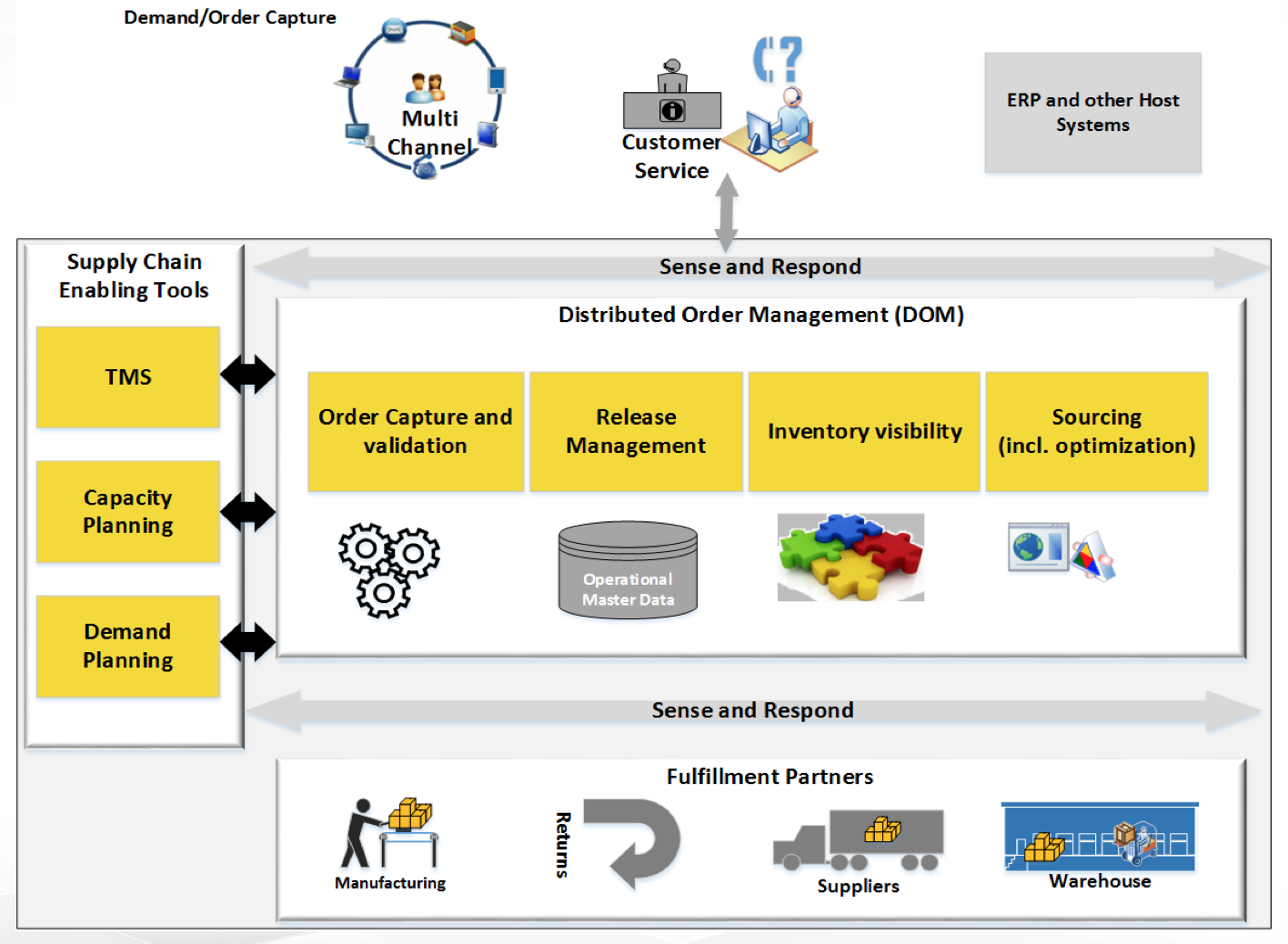
Transportation management is the practice of planning, executing, monitoring, and settling the movement of goods across a supply chain. If you’re asking “what is transportation management?” in practical terms, it links suppliers, manufacturers, distribution centers, carriers, and customers through coordinated processes and technology, most commonly enabled by a Transportation Management System (TMS). Done well, transportation management lowers cost, improves delivery performance, and provides the visibility needed for timely, confident decisions.
Definition: what is transportation management?
Transportation management covers end-to-end control of freight moves, from demand capture and order translation to delivery and financial settlement. It spans:
- Strategic design such as network and carrier strategy
- Tactical planning including mode, route, and capacity decisions
- Operational execution from tendering and dispatch to tracking
- Financial processes including freight audit and payment
Within the broader supply chain, transportation management connects procurement, manufacturing, warehousing, and customer fulfillment. It translates orders into movements, balances cost and service, and ensures efficient flow across inbound, outbound, and inter-facility lanes. When people ask what is TMS in logistics or what is a transportation management system, they’re talking about the software foundation that supports these processes day to day.
Common movement types include inbound (supplier to plant or warehouse), outbound (facility to customer), cross-dock and transload (flow-through and mode shift), interfacility transfers, and last-mile delivery to stores, homes, or job sites.
Key components and processes of transportation management
Core planning aims to get the right shipment to the right place at the right time for the right cost.
- Route planning and optimization: Build multi-stop routes, pick modes (parcel, LTL, TL, intermodal, air, ocean), and sequence stops to reduce miles and dwell.
- Carrier selection: Match shipments to carriers using service levels, contracted rates, performance history, and capacity commitments.
- Load optimization: Build full truckloads or containers, cube out space, and consolidate compatible orders to minimize empty miles.
- Scheduling: Book pickups and deliveries, align with dock calendars, and avoid detention and missed appointments.
Documentation and compliance are essential for smooth domestic and cross-border operations.
- Freight billing and settlement: Rating, invoice validation, dispute management, and payment processing.
- Customs and trade compliance: Commercial invoices, packing lists, HTS codes, and filing requirements.
- Permits and regulatory needs: Hazardous materials documentation, weight and dimension limits, and cabotage rules.
- Data exchange: Traditional EDI transactions (204, 214, 210) and modern APIs for faster, more granular updates.
Performance measurement converts activity into insight. Common KPIs include on-time pickup and delivery, cost per mile or per hundredweight, claims ratio and damage rate, tender acceptance, dwell and detention, and carrier scorecards. Dashboards and alerts help teams intervene early, recover service, and drive continuous improvement.
Transportation management systems: capabilities and features
A TMS provides the digital backbone for planning, execution, visibility, and financial control. If you’re wondering what is a TMS system or what is TMS in logistics, think of it as the control tower for daily transport decisions. It standardizes processes, simplifies collaboration with partners, and enables data-driven decisions.
- Planning and optimization: Mode, route, load building, and carrier mix to hit service targets at the lowest cost.
- Execution: Tendering and booking, dock scheduling, document generation, and exception management.
- Real-time visibility: Status updates from carriers, GPS and IoT telemetry, and predictive ETAs.
- Analytics and reporting: Service and cost metrics, dashboards, and scenario analysis.
- Freight audit and payment: Rate application, invoice matching, dispute resolution, and settlement.
Integration is critical for end-to-end coordination. A modern TMS connects with:
- ERP for orders, master data, and financials
- Warehouse management for shipping, receiving, and dock operations
- Telematics and fleet systems for driver, asset, and compliance data
- Carrier networks and digital freight platforms for capacity access and automated tendering
Data and automation elevate performance:
- Business rules engines enforce policies for carrier choice, mode selection, and service levels.
- Rate management centralizes tariffs, contracts, accessorials, and fuel surcharges.
- Consolidation and pooling algorithms reduce empty miles and merge shipments intelligently.
- APIs enable event-driven workflows and real-time, multi-party visibility.
Questions like what is transportation management systems or what is TMS transportation management systems come up often. In short, both refer to the tools and capabilities that coordinate shipments from planning through settlement, with integrations and analytics that make the whole network work smarter.
Business benefits and value of effective transportation management
Mature transportation practices and a robust TMS deliver measurable financial and service gains.
- Cost reduction: Lower freight spend through consolidation and mode shift, fuel savings via optimized routing and reduced idle time, and higher labor productivity by automating tendering, appointment scheduling, and invoice processing. Many organizations achieve double-digit savings in targeted lanes or modes.
- Service improvement: More predictable deliveries with accurate ETAs, fewer damages through better handling and packaging rules, and stronger customer experience with proactive notifications and flexible delivery options. Better carrier collaboration raises tender acceptance and reduces spot-market exposure.
- Risk and compliance: End-to-end visibility supports incident response to weather, capacity disruptions, or port delays. Document control and audit trails simplify regulatory compliance and streamline claims. Complete shipment histories enable root-cause analysis and preventive action.
These benefits are the reason teams ask what is a transportation management system and how quickly it can create value. With clear goals and the right data, improvements show up fast in both cost and service metrics.
Who uses transportation management and common industry use cases
Many organizations rely on transportation management to balance cost, speed, and reliability across diverse networks.
- Manufacturers coordinating inbound materials and outbound finished goods across global multi-mode networks.
- Distributors and wholesalers serving multi-tier channels with regional and national coverage.
- Retailers managing store replenishment and e-commerce deliveries across parcel, LTL, and last mile.
- Third-party logistics providers (3PLs) managing freight for multiple clients with varying SLAs.
- Field service organizations shipping parts and equipment to technicians and job sites.
Representative use cases include long-haul TL and intermodal for national moves, regional LTL and pool distribution for store networks, last-mile parcel and white-glove services for e-commerce and appliances, reverse logistics for returns and warranty programs, and service parts logistics for uptime-critical industries like aerospace and utilities.
High-impact scenarios include peak-season capacity management with dynamic tendering and spot access, network redesign to rebalance DC footprints and reduce stem miles, and cross-border trade where automated customs documentation accelerates clearance and reduces penalties. Organizations typically quantify value through reduced spend per shipment, improved on-time performance, and faster cash cycles from accurate freight settlement.
Trends, challenges and how to choose the right solution
Transportation is evolving as technology, customer expectations, and sustainability goals converge.
- Automation and AI: Automating repetitive tasks and using machine learning for continuous optimization, ETA prediction, and exception prevention.
- Real-time visibility: Telematics and APIs provide live location, status, and risk signals for proactive intervention.
- Sustainability: Tracking emissions, supporting modal shift, right-sizing equipment, and optimizing loads to reduce carbon intensity.
Common challenges persist. Fragmented data and siloed systems obscure true costs and performance. Tight capacity and volatile demand demand flexible sourcing and rapid re-planning. Regulatory complexity, from hazardous materials to cross-border rules, adds documentation and risk. Change management remains critical, requiring governance, training, and phased rollout.
When selecting a solution, evaluate the following:
- Scalability to handle volume spikes and new business models
- Integration depth with ERP, WMS, and carrier platforms
- Cloud deployment for faster updates, resilience, and lower infrastructure burden
- Total cost of ownership across implementation, support, and enhancements
- Vendor expertise, global coverage, and a roadmap for AI, visibility, and sustainability capabilities
Proof-of-concept pilots with measurable success criteria validate fit and accelerate time to value. As you compare options, it helps to revisit the basics: what is TMS transportation management systems offering beyond routing, and what gaps in your processes stand between you and your goals? Clear answers there will guide a better decision.
Final takeaway
If you’re still asking “what is transportation management?” or “what is TMS in logistics,” here’s the short answer: it’s the way organizations turn orders into reliable deliveries at the best possible cost, with the help of technology that brings clarity, control, and continuous improvement.
FAQ
An ERP manages enterprise financials and core transactions. A WMS controls warehouse operations such as receiving, picking, and packing. A TMS specializes in transportation planning, execution, visibility, and freight financials, and typically integrates with ERP and WMS to provide end-to-end flow. If you’ve ever asked what is a TMS system, this comparison helps clarify the scope.
Yes, if freight spend or service requirements are material. Cloud-based TMS options make it possible to start with core planning and execution and scale into advanced optimization and audit as complexity grows. Questions like what is transportation management systems often come up here; the answer is a set of tools sized to your needs
Clean order and location data, contracted carrier rates, accessorial rules, service calendars, and carrier connectivity (EDI or API). With these in place, most organizations see rapid improvements in routing, tendering, and visibility.
Track baseline and post-implementation KPIs: on-time pickup and delivery, cost per mile or per hundredweight, tender acceptance, dwell and detention, spot buy percentage, claims rate, and invoice accuracy cycle time
Yes. By improving load factors, recommending lower-emission modes, consolidating shipments, and reporting emissions by shipment or lane, a TMS supports corporate sustainability reporting and operational emissions reduction.
Many TMS solutions manage both common carrier and private fleet. They provide driver scheduling, dispatch, telematics integration, and backhaul optimization to increase utilization and reduce empty miles.