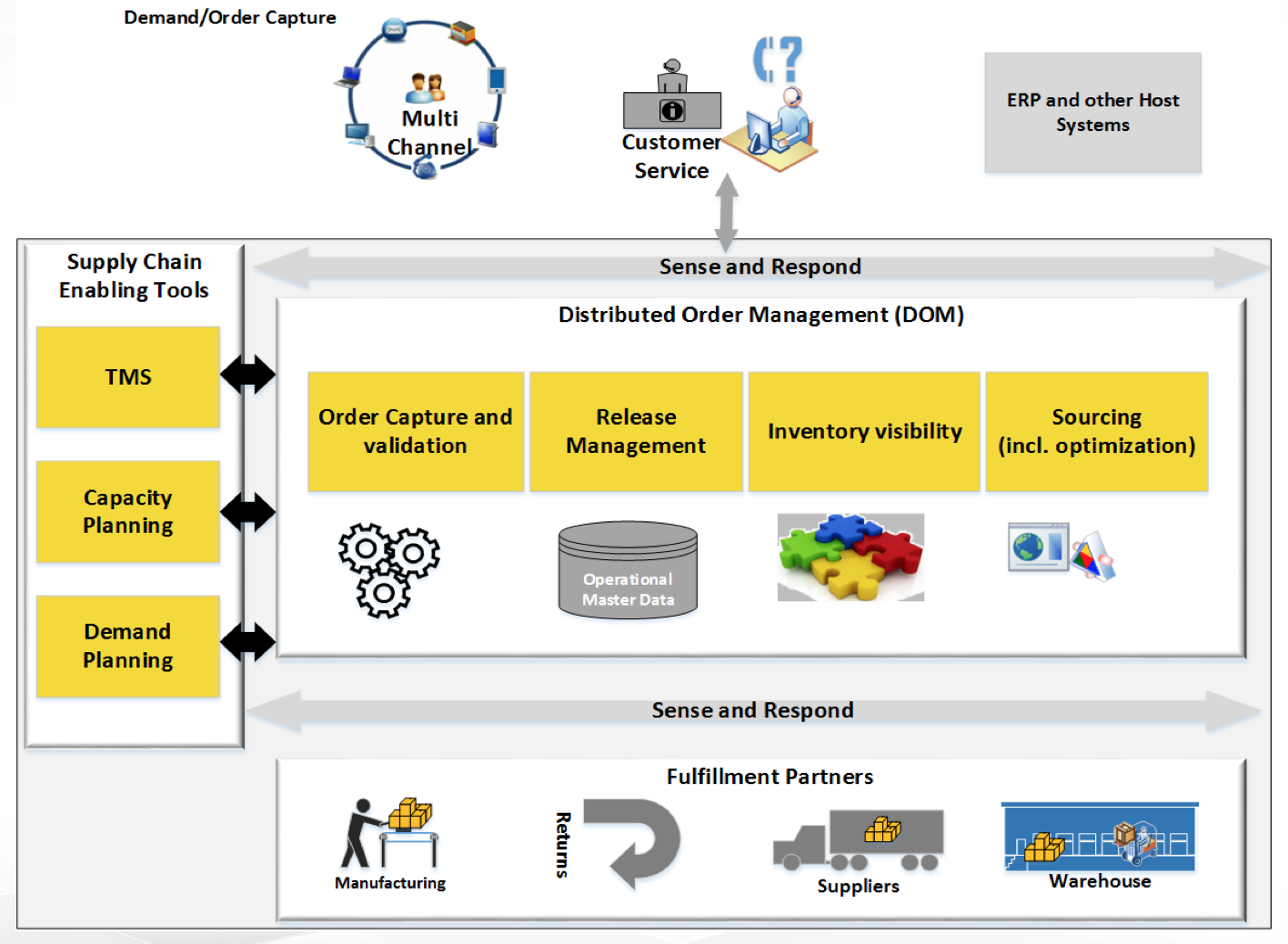
If you’re asking “what is a warehouse execution system?”, here’s the short answer: a warehouse execution system (WES) is real-time software that keeps work moving in your distribution centre by coordinating people, processes, and automation. It sits between planning systems and the equipment on the floor, constantly deciding what should happen next and where. As facilities mix manual tasks with conveyors, robotics, and autonomous mobile robots, a warehouse execution system brings the intelligence to keep everything in sync and throughput steady.
Think of it as the conductor for your operation. Planning systems decide what needs to happen today. The warehouse execution system WES decides how and when to execute that plan minute by minute so you hit service targets without bottlenecks.
What a warehouse execution system (WES) does
A WES turns high-level plans into smooth, real-time execution. It bridges the gap between a Warehouse Management System (WMS)—which manages inventory, orders, and compliance—and the warehouse control systems (WCS software), which drive machines and subsystems on the floor. The WES consumes order priorities and inventory status, reads live floor conditions, and releases the right work to both people and automation at the right time.
While the WMS sets what needs to happen, the warehouse execution system decides when, where, and in what sequence tasks should run. It reacts to demand spikes, equipment slowdowns, labor availability, and downstream constraints. The goal is simple: prevent congestion, protect service levels, and make every minute count.
There are different deployment models. Some sites run a standalone warehouse execution system software layer that integrates with an existing WMS and multiple WCS system controllers. Others adopt a broader execution platform that includes WES capabilities. In a layered architecture, the WES sits above equipment controllers and below enterprise planning so it can align order priorities with current floor capacity and control work release and routing with precision.
Core capabilities and key features of a WES
Modern WES platforms focus on synchronising resources and smoothing flow across the warehouse. Common capabilities include:
- Task and labour orchestration: Assigns and sequences tasks for associates and automation based on priority, proximity, skills, and capacity. Balances work across zones and supports wave-less picking and dynamic task interleaving to keep people productive.
- Dynamic prioritisation and slotting: Continuously adjusts slot locations and replenishment triggers to reduce travel and congestion. Reorders work by service level, carrier cut-offs, and downstream constraints.
- Real-time inventory visibility: Maintains a live view of items, locations, and container states for accurate task release. Aligns replenishment with picking to avoid stockouts at pick faces and reduce idle time.
- Order streaming and flow control: Moves beyond large waves to smaller, continuous releases that match available capacity from pick to pack to ship.
- Exception management: Detects short picks, misroutes, or equipment faults. Guides recovery and rebalances work automatically to keep throughput on track.
- Automation integration: Connects with conveyors, sorters, put walls, goods-to-person systems, AMRs, and robotics via standard interfaces and APIs. Directs routing logic and device utilisation while respecting safety and throughput constraints—working in concert with warehouse control systems.
- Analytics and real-time KPIs: Monitors queue lengths, station utilisation, order cycle times, and productivity. Dashboards help supervisors anticipate issues and adjust quickly.
WES vs WMS vs WCS: How They Work Together
WMS, WES, and WCS software operate on different time horizons and levels of control. Each has a job to do. Together, they form a coordinated stack.
| System | Primary Role | Decision Horizon | Scope of Control |
| Warehouse Management System (WMS) | Inventory accuracy, order allocation, replenishment planning, and compliance | Hours to days | Determines what work must be done and serves as the system of record |
| Warehouse Execution System (WES) | Real-time sequencing, work release, resource balancing, and flow optimization | Hours to seconds | Translates plans into execution and responds to changing conditions |
| WCS (Warehouse Control System) | Low-level equipment control and local routing for machines and subsystems | Milliseconds to seconds | Interfaces with PLCs and devices to actuate equipment safely and efficiently |
When do you need a WES? If your operation blends manual and automated processes, runs high volumes with variable demand, or faces frequent peaks, the WES provides the orchestration layer that a WMS alone can’t deliver and a WCS system can’t see. The warehouse execution system WES monitors the whole floor, while the WCS software focuses on local control.
Example in practice: A customer order enters the WMS, which allocates inventory and assigns a service priority. The WES streams pick tasks, aligns replenishment to avoid stockouts, and routes totes to the right put wall via the WCS. If the sorter slows down, the WES throttles releases, diverts tasks to alternate stations, and reassigns labor in real time. The WCS software executes conveyor routing and device actuation, and the WMS remains the record of inventory and order status.
Business benefits and performance outcomes
Asking “what is a warehouse execution system?” is really asking “how will it help me run better?”. Here’s what organisations typically see when they add a warehouse execution system:
- Higher throughput: Balances work across zones, reduces idle time, and boosts utilisation of labour and equipment. Many facilities see double-digit throughput gains through better synchronisation.
- Shorter cycle times: Continuous order streaming and dynamic prioritisation compress pick-to-ship intervals, improving on-time performance and customer satisfaction.
- Improved accuracy: Guided workflows and coordinated replenishment reduce mispicks and misroutes, lifting right-first-time metrics.
- Operational flexibility: Adapts to demand spikes, supports omnichannel models like same-day delivery and ship-from-store, and streamlines returns by prioritising and routing effectively.
- Stronger labour productivity: Intelligent tasking and congestion avoidance increase picks per hour and cut travel. Supervisors spend less time firefighting and more time improving.
- Less manual intervention: Automated decisioning stabilises operations under variable loads, reducing dependence on tribal knowledge and on-the-fly adjustments.
Implementation considerations and best practices
Successful WES programs pair robust integration with trustworthy data and thoughtful change management. Start with a clear scope, then build iteratively.
Data Requirements
- Accurate, timely data feeds from WMS, order management, transportation, and automation systems
- Trusted item masters, location data, capacity constraints, and service level definitions
- Real-time signals from equipment and labour systems for responsive decisions
Integration Planning
- Define standard interfaces for conveyors, sorters, AMRs, robots, and scanners
- Use APIs and message queues for low-latency events and resilience
- Clarify rule ownership across WMS, WES, and warehouse control systems to avoid overlap
Change Management
- Engage supervisors and associates early with role-based training and clear process definitions
- Pilot new workflows in controlled areas, capture feedback, and scale methodically
- Explain how task assignment, priorities, and exception handling will change to build confidence and adoption
Phased Deployment
- Start with high-impact flows such as picking and replenishment
- Extend to packing, put walls, value-added services, and returns once stable
- Ramp up automation integration in phases to de-risk cutovers and validate logic
KPIs to Track
- Throughput per hour, order cycle time, and labour productivity (picks/hour)
- Station utilisation, backlog age, and exception rates
- Service level adherence and shipping cost per order
Common Challenges and How to Mitigate
- Legacy interfaces: Use middleware or adapters to standardise events and bridge older systems
- Data quality: Apply validation, enrichment, and fallback logic for late or incomplete signals
- Equipment downtime: Model failover paths in the WES with automatic rerouting and throttling
- Rule governance: Maintain a single source of truth for decision rules and document ownership across layers
How to evaluate a WES
Choosing the right warehouse execution system software means matching technical fit with your goals and growth plans. Checklists help, but see how a platform behaves under live conditions.
Key Selection Criteria
- Proven scalability to handle peak loads without degradation
- Native real-time decisioning and flow control with low-latency response
- Extensibility via configuration and APIs to support new devices and processes
- Security, high availability, and robust observability (logs, metrics, traces)
- Vendor support model, upgrade paths, and backward-compatible integrations
Questions to Ask Vendors and Integrators
- How does the WES prioritise and release work when constraints conflict?
- What is the typical latency from event ingestion to decision and action?
- Which standard interfaces are supported for conveyors, sorters, AMRs, and robotics?
- How are exceptions detected, surfaced, and resolved, and what is automated?
- Can the system simulate scenarios before go-live to tune rules and capacities?
- What is the roadmap for AI-assisted optimisation and advanced analytics?
- How is uptime assured, measured, and reported, including failover strategies?
- What implementation accelerators, templates, and best practices are available?
Assessing Fit
Match the warehouse execution system WES to your volume profile, process complexity, and automation mix. High-volume, multi-channel sites with diverse equipment often see the biggest gains. Smaller operations still benefit if demand is volatile or if granular control over task release and prioritisation is needed. Ensure the platform integrates cleanly with your WMS and WCS system today and can extend to new devices tomorrow.
Proof Points
- Get references from organisations with similar industries and complexity
- Run a pilot with representative volumes, SKUs, and equipment to validate results
- Define acceptance criteria tied to throughput, cycle time, accuracy, and labour productivity
Putting WES into practice
Once you’ve selected a warehouse execution system, disciplined execution turns capability into ongoing performance:
- Map end-to-end flows and identify true constraints that cap throughput
- Instrument key assets and stations so the WES gets reliable, timely signals
- Review KPIs daily and adjust rules and thresholds before problems grow
- Use simulation to test changes to release logic, staffing, and routing before applying them on the floor
- Continuously refine task interleaving and slotting strategies to reflect seasonality and SKU changes
Over time, a mature WES becomes a lever for strategy. It supports new fulfilment models, onboards automation faster, and protects service levels during peaks without overspending on labour or assets. The partnership between WMS, WES, and warehouse control systems is what makes this possible: plan with confidence, execute in real time, and control at the device level.
FAQ
A warehouse execution system is software that decides which task should happen next and directs both people and machines to do it. It keeps work flowing smoothly by reacting to real-time conditions on the floor.
A WMS plans and tracks orders and inventory. A WES turns those plans into action by sequencing, releasing, and balancing tasks in real time so you maximise throughput and hit service targets.
A WCS system controls specific equipment but lacks cross-process visibility. If you need to coordinate multiple subsystems and labour across the entire operation, a WES provides the orchestration layer above the WCS software.
Yes. Even in largely manual environments, a WES improves flow through dynamic tasking, prioritization, and exception handling. Benefits grow as automation is added.
No. The WMS remains the system of record for inventory, orders, and compliance. The WES complements the WMS by optimising live execution and coordinating with warehouse control systems.
Timelines vary by scope and integration complexity. Many organisations start with a focused pilot in roughly 12–16 weeks, then scale in phases across processes and sites.
Track throughput per hour, order cycle time, picks per hour, station utilisation, backlog age, exception rates, and service level adherence. Tie improvements to cost per order and customer outcomes.
Leading warehouse execution system software supports AI-assisted optimisation for prioritisation, congestion avoidance, and slotting, along with real-time dashboards and predictive insights.