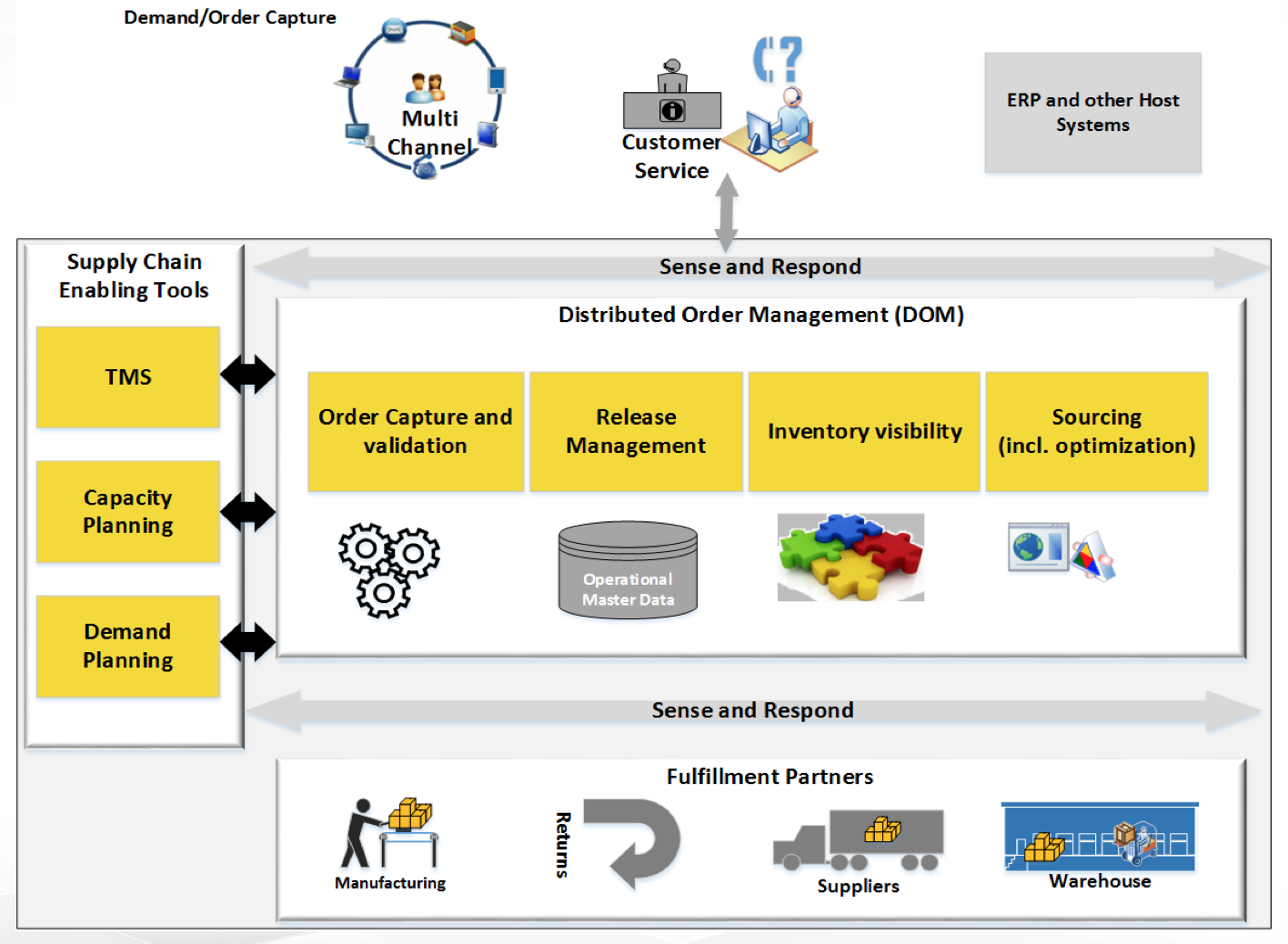
Labor Management Systems (LMS) and Warehouse Management Systems (WMS) form a powerful combination for modern distribution operations. Integrated together, they synchronize people, processes, and inventory movement so work gets done faster, with fewer errors and lower costs. This guide explains how LMS and WMS connect, the data they share, the benefits you can expect, and how to implement integration with confidence. Whether you operate a single facility or a multi-site network, understanding this integration unlocks measurable gains in productivity, visibility, and customer service. If you are asking how labor management integrates with warehouse management systems, this guide lays out the practical steps and the outcomes you can plan for.
Before we dive in, a quick labor management system definition: a labor management system LMS is software that defines, plans, tracks, and analyzes human work in the warehouse using engineered standards and time data. In simple terms, it’s the control center for warehouse labor management, often grouped under warehouse labor management software or a broader warehouse labor management system. Together with a WMS, labor management software provides the link between what needs doing and who is best placed to do it.
Introduction: why integration between LMS and WMS matters
WMS orchestrates inventory, orders, tasks, and material flows across the warehouse. LMS manages the human side—work standards, labor planning, productivity tracking, and incentive programs. Each system has strengths, but the greatest value emerges when they operate in concert.
The WMS knows what needs to be done and when. The LMS knows who is available, how long tasks should take, and how to measure performance fairly. Integration aligns these perspectives in real time so the right work gets to the right associate at the right moment.
Organizations integrate LMS with WMS to drive outcomes that matter on the floor and in the boardroom. Efficiency improves with precise tasking and fewer handoffs. Accuracy rises when the WMS guides and verifies tasks while the LMS enforces standards and accountability. Costs decline as labor is planned accurately, productivity increases, and both overtime and idle time are reduced. Service levels improve through shorter order cycle times, better on-time performance, and consistent throughput even during demand spikes. This is the heart of warehouse labor management: using data to put people and tasks in sync.
When done well, integration delivers measurable productivity gains at the job and shift level, real-time visibility into work-in-progress and labor utilization, and consistent adherence to engineered standards and safety rules. These outcomes compound during peak seasons, new channel launches, and automation expansions, giving operations both control and agility. If the question on your mind is how does labor management integrate with warehouse management systems?, the short answer is by connecting task orchestration in WMS with the planning and performance discipline of warehouse labor management software.
How LMS and WMS connect: data flows and system architecture
At the core of integration are data flows that keep labor planning and warehouse execution synchronized. The systems exchange the information each needs to make better decisions and verify outcomes. This is where warehouse labor management system capabilities come to life, turning WMS-directed tasks into measurable, optimizable workstreams.
Common Data Exchanges
- Work assignments from the WMS: picking waves, replenishment tasks, putaway, packing, value-added services, cycle counts, and exception handling.
- Order volumes and demand profiles: backlog levels, wave sizes, inbound schedules, and SKU handling complexity, which the LMS uses for labor forecasting and staffing.
- Time and attendance data from the LMS: availability, shifts, breaks, and qualifications to inform task eligibility and scheduling.
- Performance metrics: task start and completion timestamps, travel distances, dwell or queue time, exception codes, and outcome validation.
The LMS uses these inputs to maintain standards, evaluate productivity, and guide scheduling. The WMS consumes labor feedback—such as task completion status or delays—to refine priorities and balance workloads across zones, equipment, and teams. A clear labor management system definition helps your team set boundaries for what LMS should own—standards, time data, coaching—and what WMS should own—inventory, orders, and task logic.
Integration Patterns
Different operational needs call for different integration approaches:
- Real-time APIs: Exchange task events and status updates instantly. Ideal for dynamic tasking, tight carrier cutoff windows, and immediate exception handling.
- Message queues: Decouple systems using asynchronous communication. Improve resilience and throughput during peak periods while smoothing network or system variability.
- Batch interfaces: Handle non-urgent data like daily timecard imports, shift-level summaries, engineered standard updates, or historical performance data.
- Middleware and integration platforms: Use iPaaS or ESB to manage transformations, routing, and orchestration across multiple sites and systems, standardizing interfaces and accelerating rollouts.
Architecture Considerations
Architecture choices should reflect your operational context and scale:
- On-premises: Offers tight control and low-latency LAN connectivity. Requires more internal resources for maintenance, patching, and capacity planning.
- Cloud-native: Simplifies scaling across sites, reduces upgrade cycles, and leverages managed security and resilience. Supports quicker deployment and consistent interfaces.
Regardless of hosting model, design for:
- Scalability: Handle seasonal spikes without degradation, including high-frequency task events and analytics workloads.
- Latency tolerance: Ensure task updates propagate within acceptable windows. Incorporate local caching and store-and-forward where necessary.
- Standardized interfaces: Use consistent schemas and versioning across facilities so processes behave uniformly and are easier to support.
- Fault tolerance: Implement retry logic, idempotent operations, and dead-letter queues to prevent duplicate transactions or lost work records, even during network issues.
In practice, labor management software connects to WMS through these patterns to keep people-focused planning aligned with task-level execution. This is the backbone of warehouse labor management, enabling precise, data-driven decisions at speed.
Functional benefits of integrating labor management with WMS
Dynamic Task Assignment and Execution
Integration directly improves how work is allocated and executed. The WMS prioritizes orders and tasks based on due dates, carrier cutoffs, inventory constraints, and zone congestion. The LMS factors in associate skills and certifications, engineered standards, and current workloads.
Together they enable dynamic tasking that adapts to real-time conditions, sending the closest qualified associate to the next best task. The result is less travel time, fewer bottlenecks, and more consistent throughput. This is where a warehouse labor management system adds real value by matching human capacity with shifting warehouse priorities.
Accurate Labor Planning and Forecasting
Reliable labor planning depends on integrated signals. The WMS provides order backlog, inbound schedules, and workload complexity. The LMS converts this into staffing plans, shift schedules, and cross-training needs using standards and historical performance trends. As order patterns change, integrated systems recalculate expected hours by function, highlight potential overtime, and recommend adjustments like reassigning associates or pacing work release to match capacity. In plain terms, labor management systems translate complex demand into predictable, fair workloads.
Consistent and Fair Performance Measurement
Integration strengthens performance measurement by aligning task-level data with actual completions. The WMS records what was picked, packed, put away, or counted. The LMS tracks how long tasks took relative to engineered standards, while normalizing for factors like travel distance and handling complexity. Supervisors gain fair, transparent metrics that support coaching and incentive programs. This visibility also reveals process constraints—recurring delays in a zone or at a packing line—so improvement efforts target root causes rather than individuals. This is labor management done right: clear expectations, honest measurement, and coaching that sticks.
Enhanced Visibility and Decision Support
With unified data, dashboards display real-time work-in-progress, labor utilization, and expected completion times. Leaders can see whether waves will meet cutoffs, which departments are at risk, and where to deploy cross-trained staff to maintain service levels. This visibility supports faster, better decisions and a more proactive management style. Warehouse labor management software makes these insights practical and repeatable across shifts and sites
Implementation best practices and project phases
Discovery and Requirements
Successful integration starts with a thorough understanding of current operations and desired outcomes. Map end-to-end processes for inbound, outbound, and internal flows. Identify where tasks originate, how they are sequenced, and where status events are recorded. Document master data sources for employees, skills, engineered standards, and timekeeping. Define key performance indicators for productivity, throughput, quality, safety, and service levels. Establish the target future state, including how dynamic tasking will operate, the specific data exchanged, and the cadence of updates. This is also a good moment to align stakeholders on a clear labor management system definition and the boundaries of responsibility between LMS and WMS.
Integration Design and Sandbox Development
Design the integration with clear specifications:
- Event schemas: Define the structure for task create, assign, start, complete, and exception events, with standard codes and timestamps.
- API endpoints and message topics: Establish versions, authentication, and rate limits; document payloads and response behaviors.
- Error handling: Define retry policies, dead-letter routing, reconciliation routines, and alerting thresholds.
Build and test in a sandbox using realistic data volumes and edge-case scenarios. Validate engineered standards and task models to ensure apples-to-apples comparisons between legacy and future states. Confirm that performance metrics behave consistently across different zones, product types, and equipment. Warehouse labor management software benefits from early testing because it exposes gaps in master data, exception coding, and training content before go-live.
Pilot and Phased Rollout
Start with a pilot in a limited area or shift to validate user experience, performance, and exception handling. Use pilot results to refine standards, UI workflows, and training materials. After the pilot, expand in phases by function or building using a repeatable checklist. A disciplined rollout approach helps maintain momentum while controlling risk.
Change Management and Adoption
Change management is essential for sustained benefits. Train supervisors and associates on new dashboards, performance definitions, and tasking logic. Communicate the rationale for changes, emphasizing safety, fairness, and clarity of expectations. Provide floor-ready guides, quick-reference materials, and embedded tips within handheld applications. Establish daily huddles and feedback loops. Use continuous improvement cycles to refine standards, processes, and exception handling. Equip frontline leaders with coaching tools so they translate data into action rather than punitive metrics. This is the human side of labor management—clear, honest, and supportive.
Common challenges and how to overcome them
Data Quality and Master Data Governance
Data quality issues can undermine integration if not addressed early. Inconsistent item master data, incomplete employee records, or mismatched location codes cause downstream errors that erode trust.
Standardize master data with clear ownership and governance. Implement validation rules at integration points to prevent erroneous data from propagating. Use reference data services to reconcile codes between systems. Align units of measure, time zones, and calendar definitions to avoid misinterpreting performance data. A well-governed warehouse labor management system depends on trustworthy data to fairly assess performance and plan staffing.
Exception Handling and Reconciliation
Not every task proceeds as planned. Associates may be diverted to urgent replenishments, picks may short due to stock variance, or equipment may fail. Design integration to capture exceptions explicitly with reason codes. Ensure both systems can reconcile to a single version of the truth for what occurred and why. Establish a daily reconciliation report comparing WMS task counts to LMS completion records, with drill-down to discrepancies. This prevents duplicated work, preserves confidence in metrics, and highlights process breakdowns for corrective action.
Security, Compliance, and Resilience
Security and compliance must be integral to the design. Use secure authentication for APIs and enforce least-privilege access. Encrypt data in transit and at rest, and log integration transactions for auditability. Implement monitoring and alerts tied to service-level objectives. For resilience, build retry policies, backoff strategies, and dead-letter queues for failed messages. Conduct failover drills and recovery tests so the integration remains reliable during peak loads and unforeseen outages. Robust labor management systems and WMS integrations protect sensitive employee and operational data while keeping the floor moving.
Measuring success and next steps for continuous optimization
Track a Balanced Set of KPIs
Once integration is live, track metrics that reflect productivity, cost, quality, and service. Common measures include:
- Labor productivity by department and task type, including units per hour and variance to standard.
- Order throughput and cycle time, with attention to on-time shipment and wave completion rates.
- Inbound efficiency such as dock-to-stock time and putaway velocity.
- Cost per unit shipped or handled, including fully loaded labor costs and overtime rates.
- Quality indicators like error rates, rework, short picks, and return-related labor.
- Safety metrics to ensure productivity gains do not compromise safe behaviors.
These measures connect the dots between warehouse labor management software, WMS tasking, and business outcomes. Balanced KPIs help teams stay focused on what matters and avoid gaming metrics.
Analytics, Dashboards, and Insight-to-Action
Use analytics to identify improvement opportunities. Heat maps of congestion, pick-path travel, and queue times reveal where dynamic tasking can be tuned. Compare actuals against engineered standards to locate process or training gaps. Correlate labor performance with equipment downtime and inventory accuracy to uncover upstream causes of bottlenecks. Make it easy for supervisors to drill into task-level details while giving managers roll-ups across sites and shifts for strategic decisions. This is how labor management turns data into action.
Roadmap for Future Capabilities
Plan for advanced capabilities as your maturity grows:
- Mobile tasking: Associates receive and confirm tasks on handhelds with minimal latency, improving response time and data accuracy.
- Automation orchestration: Integrate conveyors, sorters, robotics, and goods-to-person systems. The WMS coordinates automated flows while the LMS schedules and measures the human elements around them.
- AI-driven labor planning: Combine historical patterns, demand forecasts, and real-time signals to recommend staffing, cross-training, and dynamic standards adjustments.
- Network-wide optimization: Standardize integrations and performance definitions across sites to scale best practices and benchmark results.
As these capabilities grow, your warehouse labor management system becomes the engine room for continuous improvement, keeping people and processes aligned with evolving demand.
Putting integration into practice: example use cases
Wave Picking and Carrier Cutoffs
The WMS releases a wave based on carrier cutoff times. Integration pushes the wave’s task details to the LMS, which assigns pickers based on skill, proximity, and current workload. As picks complete, the LMS records elapsed time, compares it to standard, and feeds status back to the WMS. If progress lags, the LMS recommends additional staff or re-sequencing tasks. The WMS adjusts priorities to protect cutoffs, ensuring on-time shipment without overstaffing. This is a textbook answer to how does labor management integrate with warehouse management systems?—by closing the loop between work direction and human execution.
Replenishment Before Picking
Before a large wave, the WMS projects forward pick slot depletion and generates replenishment tasks. The LMS evaluates available associates with the right equipment certifications, assigns the replenishments, and monitors completion times. If replenishment falls behind, the integration escalates the priority of these tasks ahead of picking to avoid line stoppages, preserving throughput while minimizing downstream disruption.
Inbound Surges and Cross-Docking
During an unexpected inbound surge, the WMS signals increased receiving volume and cross-dock opportunities. The LMS recalculates labor demand and proposes reallocating associates from packing to receiving, highlighting the overtime impact. The WMS throttles work release in packing while accelerating inbound processing. Result: dock-to-stock time stays within targets and orders requiring cross-docked items still meet service commitments. This is warehouse labor management software acting as the air traffic controller for people.
Cycle Counting and Inventory Accuracy
WMS-driven cycle count tasks are dispatched to associates during low-traffic windows. The LMS validates count duration against standards and logs exceptions such as stock variance. Insights from the LMS highlight systemic variances in specific zones, prompting process audits and retraining. Improved inventory accuracy reduces rework and pick errors, reinforcing a virtuous cycle of productivity and quality. Labor management systems make these insights repeatable and fair across teams
Governance, standards and continuous improvement
Strong governance ensures integration remains consistent and scalable over time:
- Standards management: Maintain a central repository for engineered standards, with change control and versioning. Ensure updates propagate uniformly across sites.
- Process governance: Define ownership for master data, exception codes, and KPI definitions. Review metrics regularly to ensure they reflect operational realities.
- Performance councils: Bring together operations, IT, and continuous improvement leaders to review trends, prioritize initiatives, and coordinate changes to processes and systems.
- Training and certification: Maintain role-based training paths and recertification to sustain skills and safety compliance.
A governance framework keeps integrations aligned with evolving business needs while preserving the integrity of metrics and standards. In other words, it keeps your warehouse labor management system honest and effective.
Technology enablers and integration tooling
Beyond APIs and queues, several tools improve integration speed and reliability:
- Event streaming platforms: Stream task events at scale with schema registries to manage versions and backward compatibility.
- Low-code integration builders: Accelerate development of connectors for common WMS and LMS platforms, reducing custom code and maintenance overhead.
- Observability tools: Monitor message flows, latency, error rates, and backlog with dashboards and alerts that operations and IT can act on together.
- Testing automation: Use synthetic task loads and scenario-based testing to validate performance and resilience before peak seasons.
These enablers reduce risk and shorten time-to-value while supporting long-term maintainability. They also help ensure your labor management software and WMS stay in lockstep as processes evolve.
Operational tips for day-one success
- Start small and scale: Pilot a high-impact, contained process first to validate assumptions and build confidence.
- Align on definitions: Ensure all stakeholders use the same definitions for productivity, utilization, and exceptions to avoid confusion.
- Close the loop daily: Run a short daily review on throughput, exceptions, and staffing variances. Feed learnings back into tasking rules and standards.
- Keep the floor informed: Use visual boards or handheld notifications to share status and priorities, improving engagement and responsiveness.
- Measure what matters: Focus on a concise set of KPIs that connect directly to cost, service, and safety outcomes.
These practices keep labor management grounded in reality and focused on results. They also reinforce trust in the metrics that a warehouse labor management system relies on.
Closing thoughts
Labor management and WMS are better together. Integrated, they give you a reliable way to plan, execute, and improve day after day. Whether you call it warehouse labor management, warehouse labor management software, or simply labor management, the goal is the same: match work to people, measure fairly, and act on what the data tells you. If you started this journey wondering how does labor management integrate with warehouse management systems?, you now have a practical blueprint—from data flows and architecture to rollout and continuous improvement.
Keep it simple, keep it true, and keep it personal. Start with a clear labor management system definition, use a labor management system LMS to manage standards and performance, and let your WMS do what it does best: direct work and manage inventory. With a thoughtful integration, your warehouse labor management system becomes the heartbeat of your operation—steady, dependable, and always improving.
FAQ
Real-time APIs and low-latency networks allow task assignments and status updates to propagate within seconds, supporting dynamic tasking and fast exception handling. If network latency is higher or variable, message queues with local caching keep tasks flowing and synchronize once connectivity stabilizes. Designing for latency tolerance protects floor operations from slowdowns.
Yes. The WMS typically manages automation interfaces for conveyors, sorters, and robots, while the LMS focuses on human labor. Integration coordinates human tasks around automated flows, such as replenishing a goods-to-person station or clearing exceptions flagged by a robot. Performance data from automation can be included in dashboards for a holistic view of throughput and labor utilization.
Timekeeping tracks attendance and hours but does not provide engineered standards, performance analytics, or dynamic tasking intelligence. An LMS complements timekeeping by converting WMS task data into fair productivity measures, identifying coaching opportunities, and aligning incentives with outcomes. This drives sustained improvements beyond simple time capture. That’s a key distinction in any labor management system definition.
Timelines vary by scope and complexity. A single-site integration with standard APIs and out-of-the-box connectors can be piloted in 8 to 12 weeks, followed by phased expansion over several months. Multi-site programs with custom standards and advanced analytics may extend to 6 to 12 months. Early discovery, strong governance, and phased rollouts help keep timelines predictable.
Provide role-based training. Associates learn how tasks are assigned, acknowledged, and completed, and how performance is measured. Supervisors learn to interpret dashboards, coach using standards, and manage exceptions. Short, scenario-driven sessions with floor simulations accelerate adoption, while ongoing refreshers and microlearning reinforce best practices.
Establish transparent policies, share how standards are set, and allow for feedback and appeals. Use exception codes to account for delays outside an associate’s control. Limit access to individual performance data to authorized roles and use aggregated reporting for broader audiences. These practices maintain trust and fairness while preserving the benefits of data-driven management
Common pitfalls include weak master data governance, unclear KPI definitions, and insufficient pilot testing. Avoid over-customization that complicates upgrades and support. Neglecting change management is another risk—ensure frontline engagement and clear communication. Finally, underinvesting in monitoring and alerting makes it harder to detect issues before they affect service levels.
Review standards at least annually, or sooner if processes, equipment, product mix, or layout change materially. Use LMS analytics to spot persistent variances that may indicate outdated standards. Incorporate feedback from associates and supervisors to ensure standards remain accurate and credible
Yes. Transparent standards, well-documented exception handling, and clear communication support fair and compliant practices. Role-based access and privacy controls protect individual data. Collaboration with labor representatives during design and rollout helps align expectations and build trust.
Integrated LMS and WMS provide early visibility into demand, convert forecasts into staffing plans, and dynamically adjust tasking as conditions change. The result is better overtime control, fewer bottlenecks, and consistent service levels even as volume surges. Post-peak analysis informs improvements for the next season. This is where warehouse labor management software shows its value in plain dollars and hours.
Look for improved units per hour, reduced overtime, shorter cycle times, higher on-time shipment rates, lower error and rework rates, improved dock-to-stock times, and sustained safety performance. Consistent results across shifts and sites indicate the integration is robust and scalable.