Artificial intelligence in warehouse management applies machine learning, computer vision, optimization, and automation to make operations faster, more accurate, and more resilient. By learning from operational data and coordinating people, processes, and robotics, AI helps warehouses adapt to demand, reduce errors, and streamline workflows from receiving to shipping. Modern AI warehouse management systems increasingly embed warehouse artificial intelligence to provide real-time guidance, automate routine decisions, and drive continuous improvement across the supply chain. If you’re asking what is ai in warehouse management? or even searching for “what is ai in warehouse management,” this is the practical view: use data and intelligent algorithms to improve decisions and outcomes.
What is AI in warehouse management?
AI in warehouse management refers to using intelligent algorithms and automation to enhance core processes such as receiving, put-away, slotting, picking, packing, replenishment, and shipping. It combines machine learning to predict and optimize decisions, computer vision to interpret images and video, and optimization engines to allocate resources, plan routes, and sequence tasks. Put simply, artificial intelligence in warehouse management helps reduce waste, cut travel time, and improve accuracy across daily operations.
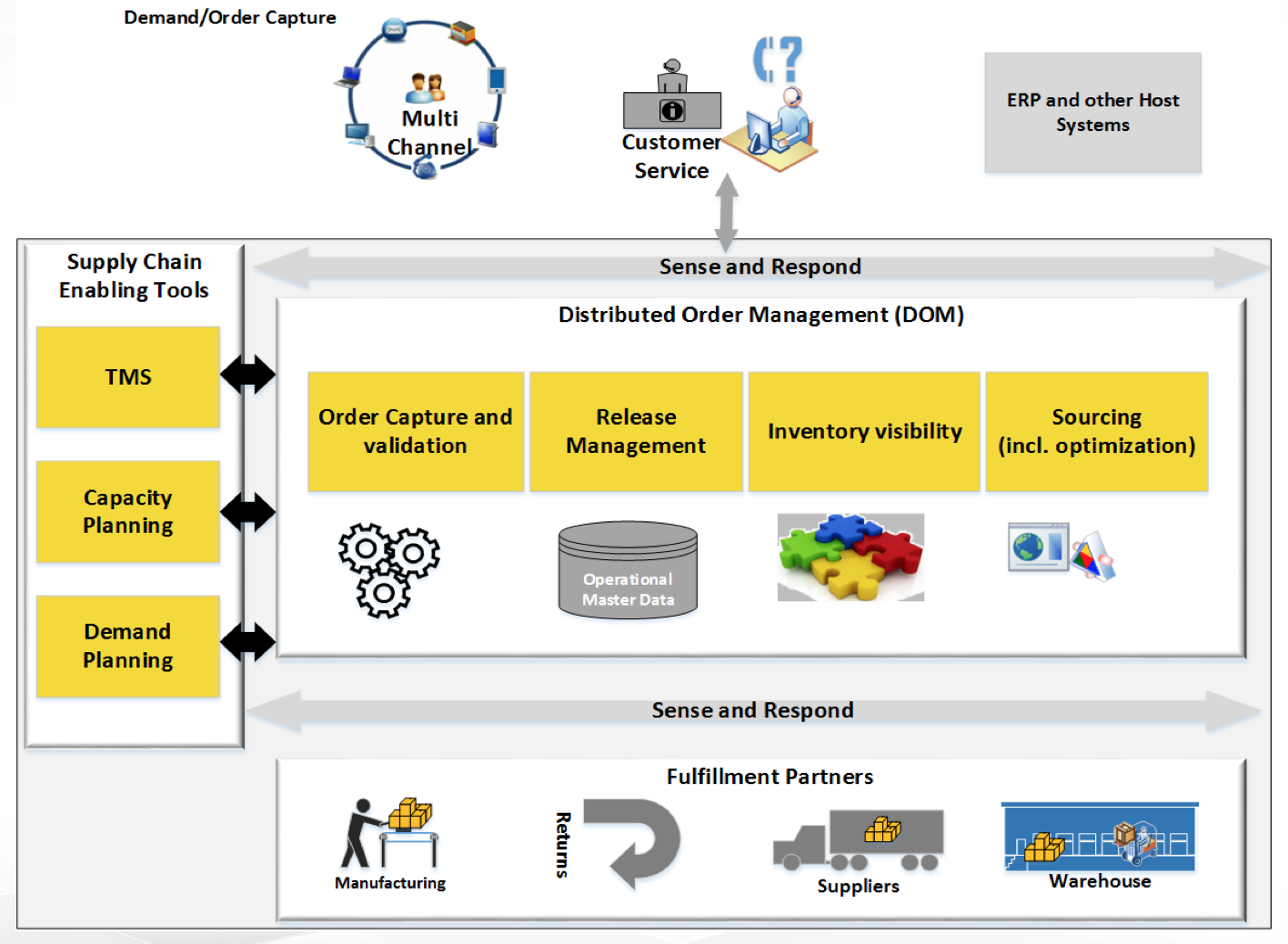
Integration with enterprise systems is essential. AI-enabled warehouse management systems connect to enterprise resource planning for orders, inventory, and financial data, and to manufacturing execution systems in distribution and manufacturing settings. This ensures AI recommendations reflect accurate demand, inventory, and capacity information, and that
actions taken in the warehouse are synchronized across the business. With artificial intelligence in inventory management linked to the warehouse, planners gain a single source of truth to make better calls on stock and service.
Typical AI components include:
- Data inputs: order histories, inventory levels, SKU attributes, labor availability, IoT sensor readings, RFID scans, and camera feeds.
- Models: demand forecasting, anomaly detection, computer vision for barcode and label recognition, and optimization for task assignment and path planning.
- Physical technologies: scanners, cameras, scales, robots, and autonomous mobile robots (AMRs) to execute actions.
- Deployment options: edge computing for real-time inference at device level and cloud services for training, scheduling, and fleet optimization.
Questions like “what is ai in warehouse management?” often lead to the broader topic of AI in warehouses and how the same capabilities extend into artificial intelligence in inventory management. AI inventory management software and AI for inventory management use similar techniques to balance stock and service, and these tools connect directly to ai in warehouse execution.
How AI works in warehouses: technology and processes
Several AI capabilities power modern warehouses. Predictive analytics forecasts demand and inventory needs, informing safety stock, reorder points, and replenishment frequency. Computer vision accelerates receiving by recognizing barcodes, labels, and damages, and supports quality checks by detecting deviations in packaging and contents. Path optimization reduces travel during picking by sequencing tasks and suggesting shortest routes, while labor optimization balances workloads across shifts and zones. This is ai in warehouse operations doing what it does best: guiding decisions with real-time data.
Data flows begin at capture. IoT sensors track temperature, vibration, and equipment health; RFID and barcode scans identify items and locations; cameras validate labels and count cases; and WMS event logs record tasks and performance. These streams feed AI models that run at the edge for low latency or in the cloud for complex calculations. Model outputs trigger actions such as alerts for exceptions, automatic task assignments to associates or AMRs, and real-time updates to slotting and replenishment plans. Inventory management artificial intelligence uses the same flows to keep inventory healthy and available without excess.
Implementation commonly follows a phased approach. Start with a focused scope such as intelligent receiving or dynamic slotting and validate results before broader rollout. Keep humans in the loop for decisions where context matters, such as resolving inventory discrepancies or approving high-impact changes. Use real-time processing for tasks like pick-path guidance and robot control, and batch processing for planning activities such as next-day labor scheduling or weekly slotting optimization. Continuous performance monitoring tracks accuracy, throughput, travel time, utilization, and error rates, providing feedback for model tuning and process refinement. AI inventory tools and ai inventory management software benefit from the same discipline.
Benefits, use cases and how to get started
Planning and demand forecasting
Translate market signals and sales inputs into demand plans using statistical models, causal drivers, and collaborative inputs from sales, marketing, and cuAI delivers measurable improvements across the warehouse. Reduced picking errors lower returns and improve customer satisfaction. Better demand forecasting and safety stock optimization reduce carrying costs. Throughput increases as task sequencing and travel time are optimized, while labor planning aligns staffing with demand and automates repetitive work. Faster fulfillment and higher on-time shipping improve service levels and reduce penalties. With ai for inventory management tied to ai in warehouses, you also see fewer stockouts and less overstock.
Representative use cases include:
- Intelligent receiving and put-away: computer vision verifies labels and counts, while AI suggests optimal destinations based on velocity, constraints, and space availability.
- Dynamic slotting: continuous repositioning of SKUs to minimize travel, reduce congestion, and adapt to seasonality.
- Demand-driven replenishment: predictions of when locations will run short trigger just-in-time tasks to keep pick faces stocked.
- Predictive maintenance: sensor data reveals early signs of conveyor, lift, and AMR issues, reducing unplanned downtime.
- AMR orchestration: robots execute picks, transport totes, or shadow associates to cut walking time, coordinated by AI-driven task allocation in the WMS.
To get started, use a structured assessment:
- Define objectives: target outcomes such as error reduction, throughput improvement, or cycle time reduction.
- Assess data readiness: data completeness and accuracy in WMS and ERP, availability of sensor and scan data, and label quality for computer vision.
- Select a pilot: choose a process with clear KPIs and manageable change scope, such as a specific zone, shift, or SKU set.
- Baseline and measure: establish current performance and quantify ROI during the pilot.
- Manage change: provide training, update SOPs, and maintain human oversight for exceptions and high-impact decisions.
- Plan scalability: select platforms with robust APIs, support for edge and cloud deployment, and multi-site replication.
- Address security and compliance: implement role-based access, encryption, audit trails, and adhere to data retention and worker safety standards.
Key KPIs to monitor include pick accuracy, lines per hour, order cycle time, inventory turns, equipment uptime, and downtime reductions. Use these metrics to iterate and expand AI capabilities across sites. Tie these KPIs to inventory management artificial intelligence outcomes to ensure warehouse artificial intelligence and ai inventory stay aligned.
Comparison traditional versus AI-enabled warehouse management
| Area | Traditional Approach | AI-Enabled Approach |
| Demand Planning | Static forecasts, periodic updates | Continuous, adaptive forecasting based on real-time signals |
| Slotting | Manual reviews, infrequent changes | Dynamic re-slotting to minimize travel and congestion |
| Picking | Fixed routes, limited guidance | Optimized paths, real-time task sequencing and workload balancing |
| Quality and Receiving | Manual checks and counts | Computer vision for label verification, damage detection, automated counts |
| Maintenance | Time based or reactive | Predictive maintenance using sensor and usage data |
| Labor Planning | Spreadsheet scheduling | AI-driven scheduling aligned to demand and constraints |
FAQ
Automation executes predefined tasks consistently, such as conveyor routing or fixed pick-to-light steps. AI adds intelligence by learning from data, adapting to changes, and making decisions in real time, for example by reordering tasks, rerouting picks, or predicting replenishment needs. This is the heart of ai warehouse management and why questions like “what is ai in warehouse management” matter.
No. Many gains come from improved forecasting, slotting, labor planning, and computer vision for receiving and quality. Robots extend benefits by reducing travel and handling, but AI delivers value with or without robotics. Artificial intelligence warehouse deployments often start with inventory and planning before adding machines.
Pilots often run 8 to 12 weeks, depending on scope and data readiness. Intelligent receiving or pick-path optimization can show results quickly, while broader initiatives like dynamic slotting or AMR orchestration may take longer. When you include ai inventory management software in scope, ensure data is clean to keep timelines tight.
Accurate SKU masters, location data, transaction histories, and reliable scan and sensor feeds are essential. Establishing data governance and cleansing early increases the speed to value and model accuracy. Strong data is just as important for artificial intelligence in inventory management and ai inventory as it is for ai in warehouse execution.
Track changes in pick accuracy, lines per hour, order cycle time, inventory turns, labor utilization, shipping SLA adherence, and equipment uptime. Compare pilot results to baselines and scale initiatives that demonstrate sustained gains. Link warehouse artificial intelligence metrics with ai for inventory management outcomes to get a complete picture.