

As supply chains face relentless pressure to move faster and smarter, one thing is becoming clear: incremental automation is no longer enough. The next era of operational advantage belongs to organizations that embed AI directly into the fabric of how work gets done.
Gartner’s Leadership Vision for 2026: Tech CEO highlights a powerful shift underway. According to Gartner, high-growth tech leaders are 1.67x more likely to have integrated AI into both their products and operations, rather than treating AI as a standalone initiative. This distinction matters, especially in warehouse and fulfillment environments where execution speed and decision quality define customer experience and cost performance.
At Softeon, we see this convergence playing out every day across distribution centers, omnichannel fulfillment operations, and highly automated warehouses.
From AI Experiments to AI-Native Operations
Many organizations still approach AI tactically by piloting isolated use cases, layering analytics on top of legacy systems, or experimenting with automation without rethinking execution models. Gartner warns that this fragmented approach is a mistake.
High performers, by contrast, build AI as a core strand of operational DNA, not an add-on.
In the warehouse, this means:
- Moving beyond static rules and manual orchestration
- Shifting from reactive execution to real-time, intelligent decisioning
- Designing systems that continuously learn from operational signals
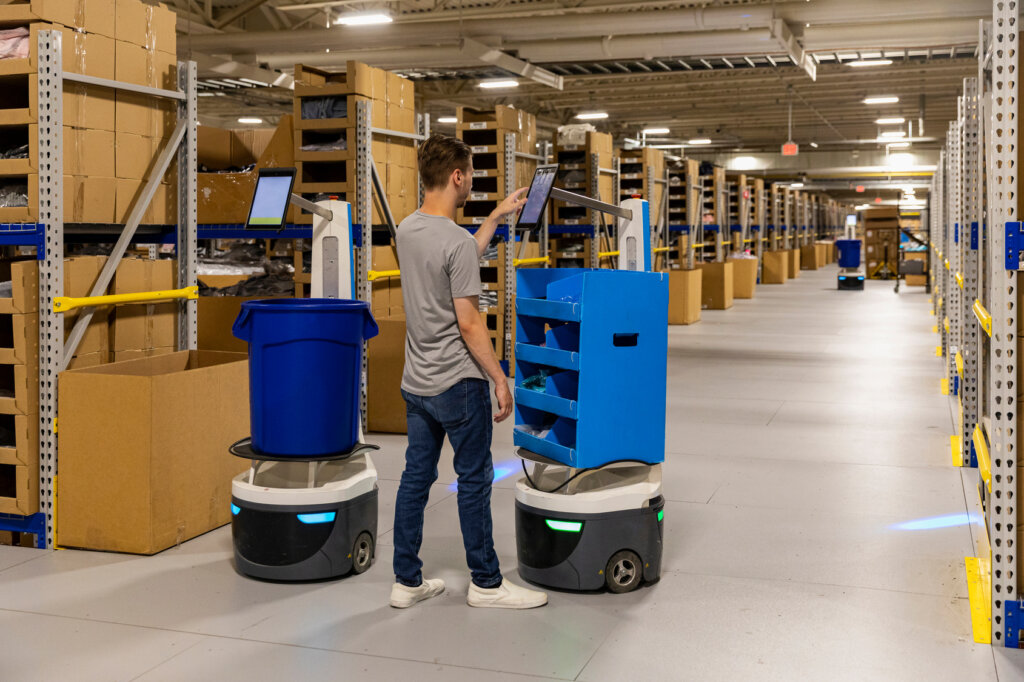
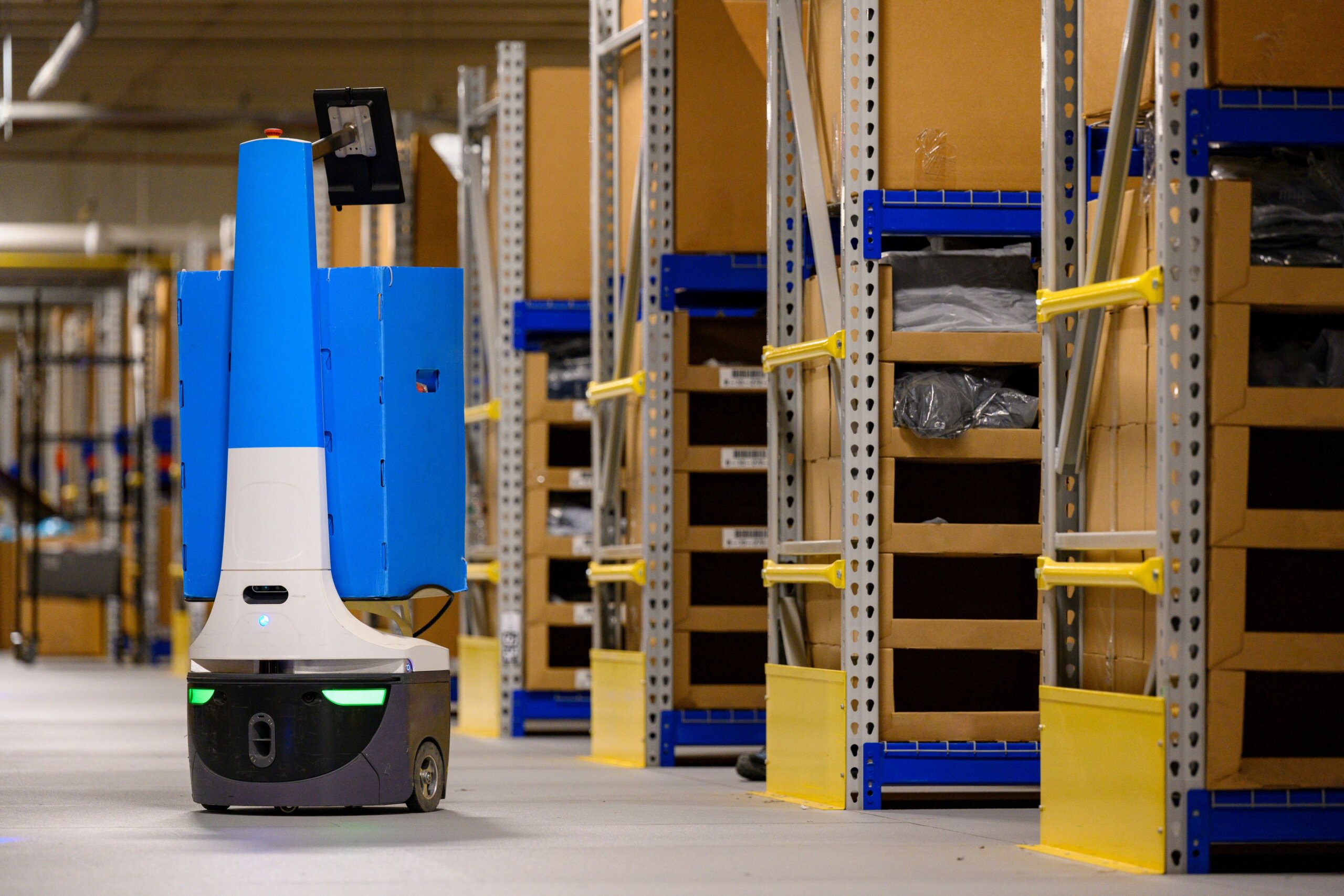
This is exactly where modern warehouse execution Systems (WES) and AI-enabled WMS platforms are headed, serving as the orchestration layer that connects automation, labor, robotics, and inventory into a single adaptive execution environment.
The Rise of Agent-Native Execution Models
One of Gartner’s most important 2026 priorities is the transition to agent-native business models, where autonomous systems make and execute decisions at machine speed.
In supply chain execution, this shift is already underway:
- AI agents dynamically prioritize work across zones
- Systems rebalance labor and automation in real time
- Execution logic adapts continuously to demand volatility and disruption
Rather than relying on predefined workflows, agent-based execution enables warehouses to sense, decide, and act, without waiting for human intervention.
Softeon’s approach to WES and WMS aligns directly with this evolution, enabling intelligent orchestration across people, processes, and automation while maintaining full operational transparency and control.
Scaling Without Breaking: AI-Native Economics in the Warehouse
Gartner cautions that many AI initiatives rely on temporary cost subsidies and experimental funding. As those subsidies fade, organizations must prove that AI can deliver efficient scale.
In fulfillment operations, AI-native economics show up as:
- Higher throughput without proportional labor increases
- Faster onboarding of automation and robotics
- Reduced exception handling and operational firefighting
- Lower total cost per order at peak volumes
The key is execution systems that can scale intelligence as easily as they scale volume, something legacy warehouse software was never designed to do.
Avoiding AI Obsolescence in a Rapidly Changing Market
Perhaps the most sobering insight from Gartner is the warning about AI obsolescence. The pace of AI innovation now far outstrips the pace of enterprise adoption, creating real risk that organizations will fall behind before realizing value.
In the warehouse, defensibility comes from:
- Deep domain expertise embedded in execution logic
- Systems designed to evolve as AI capabilities mature
- Architectures that support new agents, models, and automation without replatforming
This is why Softeon focuses on execution-first intelligence, AI that is purpose-built for the realities of warehouse operations, not generic models retrofitted to complex physical environments.
What This Means for Supply Chain Leaders in 2026
The next generation of supply chain leaders will be defined not by who automates first, but by who executes intelligently at scale.
Gartner’s research reinforces what we see across the market:
- AI must be integrated into operations, not isolated from them
- Execution systems are becoming the control plane for autonomous supply chains
- The window to build durable advantage is open but narrowing quickly
We believe the future belongs to AI-native execution, where warehouses are no longer just automated, but adaptive, resilient, and continuously optimizing.
Learn how Softeon Warehouse Management System and warehouse execution capabilities help organizations move from automation to intelligent execution and prepare their operations for the AI-driven supply chain ahead.