
As third-party logistics providers (3PLs) face mounting pressure to scale operations, onboard customers faster, and navigate ongoing labor challenges, automation has become a critical topic across the supply chain industry.
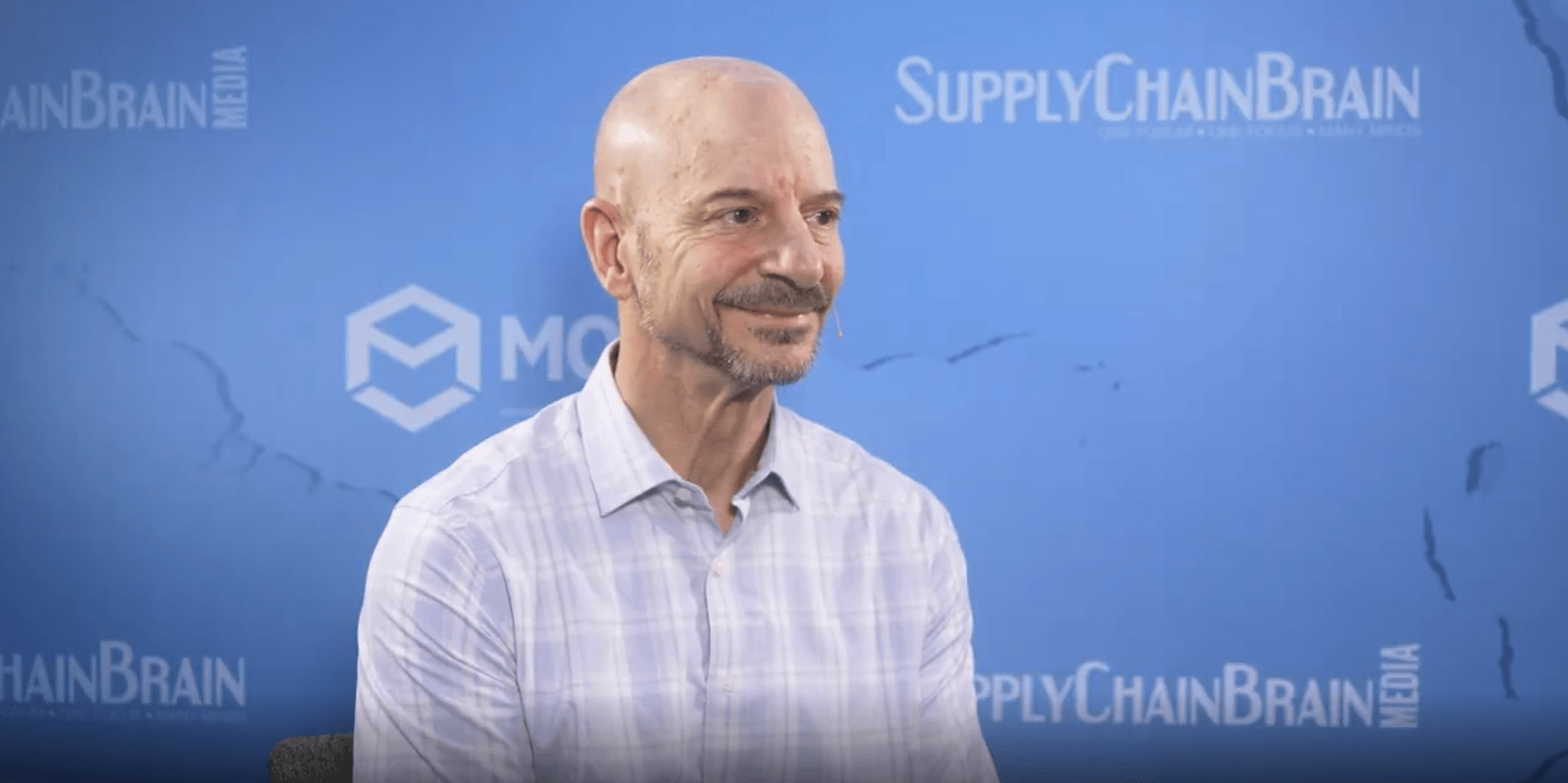
In a recent interview with Supply Chain Brain, IFS Softeon CEO, Jim Hoefflin shared his perspective on how leading 3PLs are approaching warehouse automation, the challenges they’re working to overcome, and why adaptable technology strategies are becoming essential for long-term success.
Labor Challenges Continue to Drive Automation Investments
One of the key themes discussed during the conversation is the ongoing workforce challenge facing logistics providers. High employee turnover and labor shortages continue to create operational strain, prompting many organizations to explore automation as a way to improve productivity and reduce dependency on manual processes.
Hoefflin notes that implementing automation is often easier said than done. Many automation initiatives require significant investment and lengthy deployment cycles, an approach that doesn’t always align with the fast-changing realities of 3PL operations.
The Importance of Flexibility in a Dynamic Environment
Unlike traditional warehouse operations, 3PLs must continuously adapt to changing customer requirements, product profiles, order characteristics, and service expectations.
Hoefflin explains why flexibility has become one of the most important considerations when evaluating warehouse technology and automation solutions. As customer needs evolve, 3PLs need the ability to adjust workflows, integrate new technologies, and scale operations without being constrained by rigid systems.
“The leaders are the ones that have a strategy for that,” says Hoefflin. “It’s all about flexibility.”
How Technology Is Becoming a Competitive Advantage
The conversation also explores how leading 3PLs are using technology to differentiate themselves in an increasingly competitive market.
According to Hoefflin, many of the industry’s most innovative providers are embracing technology as a core part of their business strategy, leveraging warehouse management systems, warehouse execution capabilities, automation, and innovation to create more agile and responsive operations.
Rather than viewing technology as a fixed investment, successful organizations are building adaptable technology ecosystems that can evolve alongside their customers and business requirements.
The Future Role of WMS and Warehouse Execution
Looking ahead, Hoefflin shares his perspective on how warehouse management systems will continue to evolve as automation adoption increases.
While highly automated environments may reduce the need for certain traditional warehouse functions, the majority of operations will still require sophisticated orchestration across people, processes, robotics, and automated systems. This is where warehouse execution and intelligent orchestration become increasingly important.
As Hoefflin explains, warehouse performance is ultimately about flow, not just speed, and technology must play a central role in coordinating activities across the entire operation.
Watch the Full Interview
From labor challenges and automation adoption to warehouse execution and the future of logistics technology, Hoefflin provides valuable insights into the trends shaping modern 3PL operations.
Watch the full Supply Chain Brain interview to hear his complete perspective on how logistics providers can leverage automation while maintaining the flexibility needed to succeed in an increasingly dynamic marketplace.